A guide for founders walking into any interview — journalist, podcast, TV, and even radio — and walking out proud of how you showed up.
Here's something I've noticed after years of pitching founders to reporters: the hardest part of PR isn't getting the interview. It's the forty-eight hours between "yes, we'd love to talk to you" and actually sitting down for the conversation.
That's when the spiral starts. What if I say something stupid? What if they ask me something I don't know? What if I come across as arrogant? What if I come across as boring? What if I'm just… not ready?
Founders will land a great opportunity — a podcast they actually listen to, a reporter at a publication they've wanted to be in for years — and instead of being excited, they're quietly panicking. Some of them ghost the reporter. Some show up so over-rehearsed they sound like they're reading from a script. Some actually ARE reading from a script (yep, I've seen it happen).
Some turn the opportunity down entirely, telling themselves they'll "do it when they're ready."
Here's the thing: you're already ready. You're a founder who's earned the attention of a reporter. You've done the hard part: founding a company, probably a round of fundraising or two, hiring a team, and building a product.
The only difference between doing all of those things and doing a media interview is that you had some guidance for those things. You had a mentor or a coach. You read some books. You felt like there was a process, and you followed it.
This post is the process for media interviews. It's how I prep my clients so they walk in knowing what to expect, what they want to say, and, maybe most importantly, walk out feeling proud of how they showed up.
First, a reframe
You are the expert in this conversation.
Not the reporter. Not the producer. Not the host. You. They're calling you because you know something they don't, and their job is to translate it to their audience.
Reporters aren't trying to trip you up (most of them, anyway — more on the exceptions later). They're trying to get a clear, useful story out of you before their deadline. When you stop thinking of an interview as a test you might fail, and start thinking of it as a conversation where you're the one with the information, the whole thing gets easier.
Okay. Now the tactical stuff.
Before you even say yes
When a reporter reaches out, the worst thing you can do is immediately say yes and panic later. The second worst thing is to say no out of fear. The right move is to ask a few questions first — and I mean this literally, as in: questions you ask the reporter before you agree to the interview.
Here's what to ask:
What outlet is this for? For some reporters, it might be obvious, but in a world where every reporter has a Substack and every TV journalist is an influencer, it's worth making sure.
What's the format? Again, when every newspaper also has a TikTok and every TV station has podcasts, is this interview for print, audio, video, or all three? Is it live, live-to-tape, or edited? Is this a quick quote for a roundup, or an in-depth profile? How long will it run? These answers shape everything about how you prepare.
What's the story? Keep it open-ended. Let them talk. The more they say, the more you learn about what they actually need from you. Don't interrupt. Don't pitch. Just listen.
Is there anything I should prepare? Don't ask them for questions in advance. I'm going to repeat this: Do not ask them for questions in advance. It's bad form. At the very least, it will earn you an eye roll from the reporter, but at worst, they will call off the interview entirely. However, it is entirely fair to ask them if they're hoping you'll bring a certain data set with you, or have something ready to present.
You're not being difficult by asking these questions. You're being a good source. Reporters appreciate it — it tells them you take the conversation seriously.
What to expect from each type of interview
Different mediums have different rules. A podcast is not a TV hit. A print interview is not a radio spot. Here's what I tell clients about each one.
Print / Online
This is where most founder PR happens, and it's usually the lowest-stakes format to start with. A print journalist is writing a story; they need quotes, context, and facts. They may talk to you for forty-five minutes and use two sentences.
What to expect: An interview that feels more like a conversation than a performance. They'll take notes, likely record the call, and ask follow-up questions. Expect them to push on specifics — numbers, dates, examples — because that's what makes their story credible.
How to prep: Write out three things you want to make sure you say. Know them cold. Have specific examples and numbers at the ready. Be prepared for them to use anything you say — including the casual aside at the end of the call. There is no such thing as off the record unless you've established it explicitly, in advance, and even then, I wouldn't bet on it. An interview starts the moment the reporter says hello and ends when you hang up. Act accordingly.
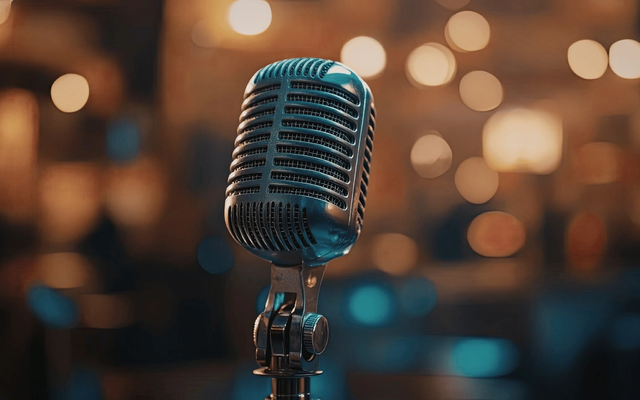
Podcasts (Audio Only)
Podcasts are usually the friendliest format, which is exactly why founders get into trouble on them. They're long, conversational, and the host often wants you to succeed. That's great. It's also how you end up thirty minutes in, feeling relaxed, saying something you didn't mean to say.
What to expect: Anywhere from twenty minutes to two hours. The host has probably done some research on you, but may not be a deep expert in your space. They'll want stories, not press-release language. They'll want you to be a real person.
How to prep: Listen to at least two or three recent episodes before you record. Get a feel for the host's cadence, what kinds of questions they ask, and how long their tangents run. Prepare three to five stories you can tell — founders often underestimate how much of podcast prep is just having good stories ready. Have your key messages, but don't force them in unnaturally. Podcast audiences can smell rehearsed talking points.
One warning: the longer the conversation goes, the more comfortable you'll feel, and the more tempted you'll be to drop your guard. Despite the friendly demeanor, podcast hosts are not your friends (this goes for any member of the media). Stay warm, stay engaged, but remember the microphone is still on.
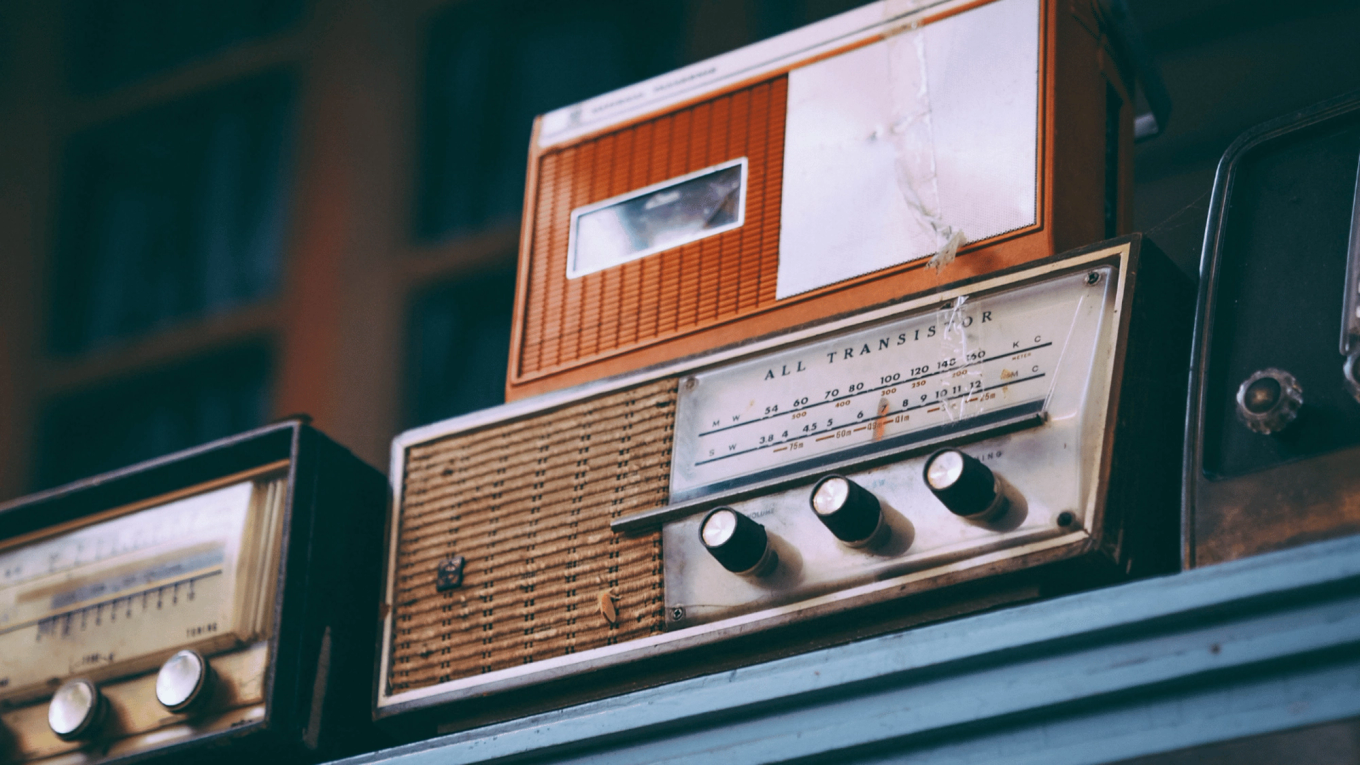
Radio
Radio is weird because it's fast. It's also becoming less and less likely you'll ever get a radio interview. But just in case, know that you might get ten minutes, you might get three, and the host is almost always working within a tight format with breaks and transitions.
What to expect: Short segments. Crisp questions. A host who needs you to answer in tight, quotable chunks. If it's live, there's no editing, so what you say is what airs.
How to prep: Practice giving your key messages in fifteen to thirty seconds. Seriously, out loud, with a timer. Short answers feel abrupt when you're not used to them, but on radio they sound confident and clear.
Video
Video is the format that makes founders the most nervous, and fair enough. It's visual, it's usually live or lightly edited, and you have roughly zero room for a false start. But video is also the format where preparation makes the biggest visible difference.
How to prep:
- Watch the show. Multiple episodes. Get familiar with the set, the hosts, the pacing. Know whether it's a friendly vibe or a more serious tone.
- Practice your key messages out loud until you can deliver them in fifteen-second chunks.
- Dress for the camera. This means: pastel colors (blue works well), no white, no black, no bright red, no busy patterns (checks, herringbone, and small stripes all "wave" on camera). No big jewelry. No tinted glasses. If you wear glasses, get the glare-proof kind. Keep your hair off your face. If you're shiny-foreheaded, powder it. All this will keep you from getting distracted just as much as the audience.
- Drink water beforehand so you don't lick your lips on camera (it reads weird).
- If you're on Zoom at home, make sure your background is professional and distraction-free. If you don't have an external microphone, make sure you have headphones. If you're planning on doing more than one podcast, it's time to invest in a $100 mic that will seriously up your game. Make sure you're in a quiet space and you won't be interrupted. During the pandemic, it was cute when small children and pets showed up unexpectedly on screen. Now, it's just kind of annoying.
- If you do happen to be in a studio with a live interviewer, look at them, not the camera. Always. Unless you're specifically told to address the camera, your eye line should be on the person asking you questions.
The three things that matter in every interview, regardless of medium
Okay, this is the part I'd tattoo on every founder's forearm if I could.
1. Know your must-airs. Before any interview, write down the three things you absolutely want the audience to walk away knowing. Not ten. Three. These are your key messages, and your job in the interview is to communicate the central idea of at least one of them in every answer you give.
I'm not going to tell you this is easy. It's not. If you need some inspiration, go watch the last few interviews of your favorite (or least favorite) politician. You'll notice that no matter what question the reporter asks, they always return to a few key issues.
If the interview ends and you didn't get your points across, that's on you, not the reporter.
2. Bridge from their question to your message. This is how the politicians do it, and you can do it too. You will absolutely get asked things that don't line up neatly with what you want to say. So you bridge back to your message. Useful phrases:
- "The most important thing to remember is…"
- "What we're actually seeing in our industry is…"
- "That's part of a bigger shift, which is…"
- "Let me tell you a quick story about that…"
You're not dodging. You're translating their question into territory where you can give a useful answer.
3. Don't bury your lead. When you answer a question, start with the most interesting part of your answer. Then add the context, the background, the nuance. Most founders do it backwards — they set up the context first and then get to the point, and the reporter cuts them off before they land it. Start with the punchline. You can always fill in the rest.
A quick word on tough questions
You will eventually get a question you don't love. A question with a negative framing, a false premise, or just something you're not prepared to answer. Here's what to do:
Don't repeat negative language. If a reporter asks, "Isn't it true that your industry is failing to innovate?" do not start your answer with "Well, our industry isn't failing to innovate…" Now that phrase is in the story. Instead, reframe it: "The innovation I'm seeing is…"
Don't say "no comment." It sounds like you're hiding something, because usually you are. Better options: "I'm not in a position to speak to that, but what I can tell you is…" or "That's outside my expertise — what I do know is…"
Don't answer hypotheticals. If a reporter asks, "What would you do if X happened?" — don't. Just pivot. "I can't speculate, but here's what we're actually doing right now…"
Don't guess. If you don't know the answer, say, "I don't know, but I can get back to you with that." Then actually get back to them. This is not a weakness — it's a mark of a credible source.
Don't fill the silence. Reporters will sometimes go quiet after your answer, hoping you'll fill the space with something unplanned. You don't have to. Let the silence sit. Your key message can stand on its own.
How to walk out proud
Here's my actual test for whether an interview went well:
- Did you communicate your key messages?
- Did you avoid saying things you didn't want to?
- Did you stay true to who you are?
- Did you treat the reporter with respect and professionalism?
That's the scorecard.
You cannot control what quote they pull. You cannot control the headline. You cannot control whether the piece runs at all. What you can control is whether you showed up prepared, stayed on-message, and acted like yourself. If you did those things, the interview was a success — even if the final piece doesn't turn out the way you hoped.
The founders I work with who end up loving press are the ones who stop thinking of interviews as tests they might fail and start thinking of them as conversations they've been preparing for their whole career. Because you have been. You know your company. You know your industry. You know the problem you're solving. Nobody is going to ask you a question about your own work that you can't handle — and if they do, "I don't know, let me get back to you" is a perfectly respectable answer.
The insecurity is real. I'm not going to tell you it isn't. But the insecurity is about the unknown, and everything I just walked you through is the known. Prep the knowns, and the unknowns get a lot smaller.
You're ready. Go do the interview.